Easy Blackstone Hibachi Recipe – Restaurant Style at Home
Look, I never thought I’d be the guy trying to recreate hibachi at home, but here we are. Got my Blackstone back in April and after the third time paying $35 per person at our local hibachi place, I thought – wait a second, I’ve got a flat top griddle sitting in my backyard. How hard could this be? Turns out, not hard at all. Actually easier than I expected, and way more fun because you get to do all the theatrical stuff without a crowd of strangers watching you. Plus, Bronco and Gunner go absolutely insane when they smell that garlic butter hitting the griddle.
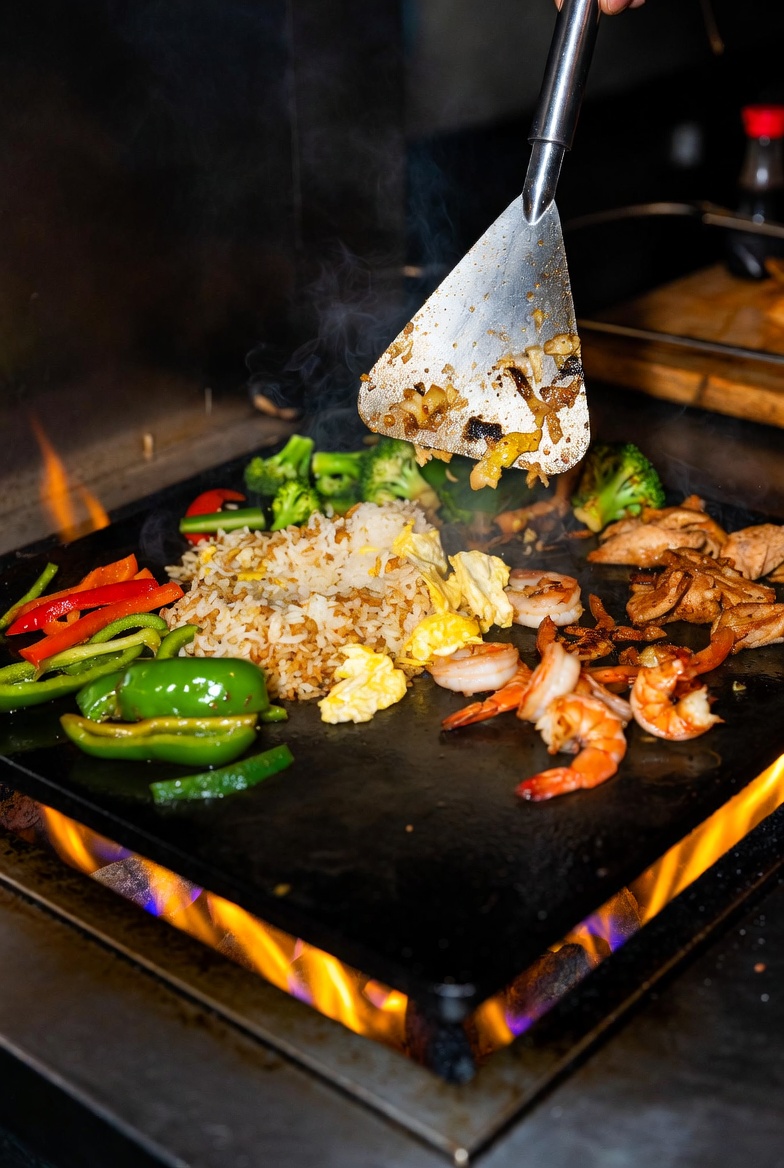
This recipe is basically everything you’d get at a hibachi restaurant – the fried rice, the vegetables, your protein of choice, and that addictive yum yum sauce that I’m pretty sure is 80% of the reason people go to these places. The key difference between making this on a regular stove and on the Blackstone is the sheer amount of cooking surface you have. You can cook everything at once without overcrowding, which means better searing and that authentic hibachi flavor.
Easy Blackstone Hibachi Recipe – Restaurant Style at Home
Ingredients
Method
- Whisk together all yum yum sauce ingredients and refrigerate for at least 30 minutes.
- Prep and organize all ingredients into separate containers before turning on the griddle.
- Preheat Blackstone on high for 10 minutes until surface reaches 400–425°F. Apply a thin layer of oil.
- Season protein with salt and pepper. Cook in a single layer with vegetable oil — chicken 3–4 min per side (165°F internal), steak 3 min per side, shrimp 2–3 min per side. Add butter and garlic in the last minute. Remove and cover with foil.
- Add butter to griddle. Cook vegetables 3–4 minutes without moving to develop char, then toss with soy sauce and garlic powder. Cook another 3–4 minutes until tender. Remove or push aside.
- Increase heat to 425–450°F. Add butter, scramble eggs on griddle, then add cold rice on top. Chop and mix together. Spread out and let sit 2 minutes to crisp. Add peas and carrots, soy sauce, and sesame oil. Mix and cook 2–3 more minutes. Add green onions in final 30 seconds. Season to taste.
- Serve protein, vegetables, and fried rice together with yum yum sauce on the side.
Notes
- Use cold day-old rice — fresh hot rice turns gummy
- Prep everything before heating the griddle — hibachi moves fast
- Don't move food too much — let it sit to develop char
- The butter amounts are minimums — hibachi is generous with butter
- Yum yum sauce can be made the day before for best flavor
Why the Blackstone Nails Hibachi
Hibachi chefs use a flat top griddle. The Blackstone is a flat top griddle. This isn’t rocket science, but it took me embarrassingly long to connect these dots. The even heat distribution across that 36-inch surface means you can have your rice going on one side, vegetables on another, and protein getting a perfect sear on the third section. Try doing that with a wok and two burners. You’ll be eating dinner in shifts.
The high heat capability is the other game changer. Hibachi is all about that sear and those slightly charred edges on everything. My Blackstone gets plenty hot enough to replicate that, and the temperature control is way easier than I thought it would be when I first got this thing.
Ingredients
This makes enough for 4 people. I learned the hard way that you should prep absolutely everything before you turn the griddle on. Hibachi moves fast.
For the Fried Rice:
- 4 cups cooked white rice, cold (day-old is perfect)
- 3 tablespoons butter
- 2 tablespoons soy sauce
- 1 tablespoon sesame oil
- 2 eggs, beaten
- 1 cup frozen peas and carrots, thawed
- 3 green onions, chopped
- Salt and pepper to taste
For the Vegetables:
- 2 medium zucchini, sliced into half-moons
- 1 large onion, cut into chunks
- 8 oz mushrooms, halved
- 1 head of broccoli, cut into florets
- 3 tablespoons butter
- 2 tablespoons soy sauce
- 1 teaspoon garlic powder
- Salt and pepper
For the Protein (Pick Your Favorite):
- 1.5 lbs chicken breast, cubed
- OR 1.5 lbs sirloin steak, cubed
- OR 1.5 lbs large shrimp, peeled and deveined
- OR mix and match
- 2 tablespoons vegetable oil
- Salt and pepper
- 2 tablespoons butter
- 2 cloves garlic, minced
For the Yum Yum Sauce:
- 1 cup mayonnaise
- 2 tablespoons tomato paste
- 1 tablespoon melted butter
- 1 teaspoon garlic powder
- 1 teaspoon paprika
- 1/2 teaspoon cayenne pepper (optional, but I like it)
- 1 tablespoon sugar
- 1 tablespoon water
- Pinch of salt
Step-by-Step Instructions
Prep Work (Do This First, Seriously)
Make the yum yum sauce first by whisking all those ingredients together in a bowl. Stick it in the fridge. This sauce tastes better after sitting for at least 30 minutes, and you’ll be too busy once the griddle heats up to mess with it.
Get all your ingredients prepped and organized in separate bowls or containers. I use those meal prep containers. This is called mise en place, which I learned from a cooking show Sierra watches, and it’s the difference between smooth sailing and complete chaos. Cut everything, measure everything, have it all within arm’s reach of your griddle.
The rice thing is important – it needs to be cold. Fresh hot rice turns into a gummy mess. I make extra rice the night before now specifically for this. If you forget and need rice same-day, spread it out on a baking sheet and stick it in the fridge for at least an hour.
Fire Up the Blackstone
Turn all your burners to high and let the griddle preheat for about 10 minutes. You want the surface temperature around 400-425°F. I finally broke down and got a dual probe infrared thermometer last month, which sounds excessive but it’s actually super helpful. Before that, I used the water test – flick a few drops on the griddle and they should dance around and evaporate in a couple seconds.
Once it’s hot, use your squeeze bottle to put down a thin layer of oil across the entire cooking surface.
Cook the Protein First
This was a mistake I made the first time – I tried to cook everything at once and it was too much to manage. Cook your protein first, then set it aside and keep it warm. Trust me on this.
Season your chicken, steak, or shrimp with salt and pepper. Add about 2 tablespoons of vegetable oil to one section of the griddle. When it’s shimmering, add your protein in a single layer. This is where that 36-inch surface pays off.
For chicken: Cook for about 3-4 minutes per side until golden brown and cooked through. Internal temp should hit 165°F.
For steak: About 3 minutes per side for medium, less if you want it rarer. These are small cubes so they cook fast.
For shrimp: 2-3 minutes per side until pink. Do not overcook shrimp. Rubbery shrimp is sad.
About a minute before your protein is done, add 2 tablespoons of butter and the minced garlic right on top. Let that butter melt and mix it around with your spatula. The smell at this point is absolutely incredible. Both dogs will be sitting at attention about 10 feet from the griddle.
Remove the protein to a bowl or plate and cover it with foil. Turn one of the outer burners to low and you can keep it warm on the edge of the griddle.
Cook the Vegetables
Keep your temperature around 400°F. If you’ve got hot spots on your griddle – and I’m still learning where mine are – put the hardier vegetables like broccoli and onions in those spots and the quicker-cooking stuff like zucchini in the cooler areas.
Add about 3 tablespoons of butter to the griddle. Once it melts, add all your vegetables. The key here is to not constantly flip them. Let them sit for a minute or two to get some char on them. That’s the flavor right there.
After about 3-4 minutes, start tossing them around with your spatulas. Add the soy sauce and garlic powder. Cook for another 3-4 minutes until everything is tender but still has some bite. Overcooked mushy vegetables are not what you’re going for.
Push the vegetables to the side or remove them to a serving dish.
Make the Fried Rice
This is the fun part. Turn your heat up a bit if needed – you want around 425-450°F for the rice. You want it hot enough that the rice gets crispy edges.
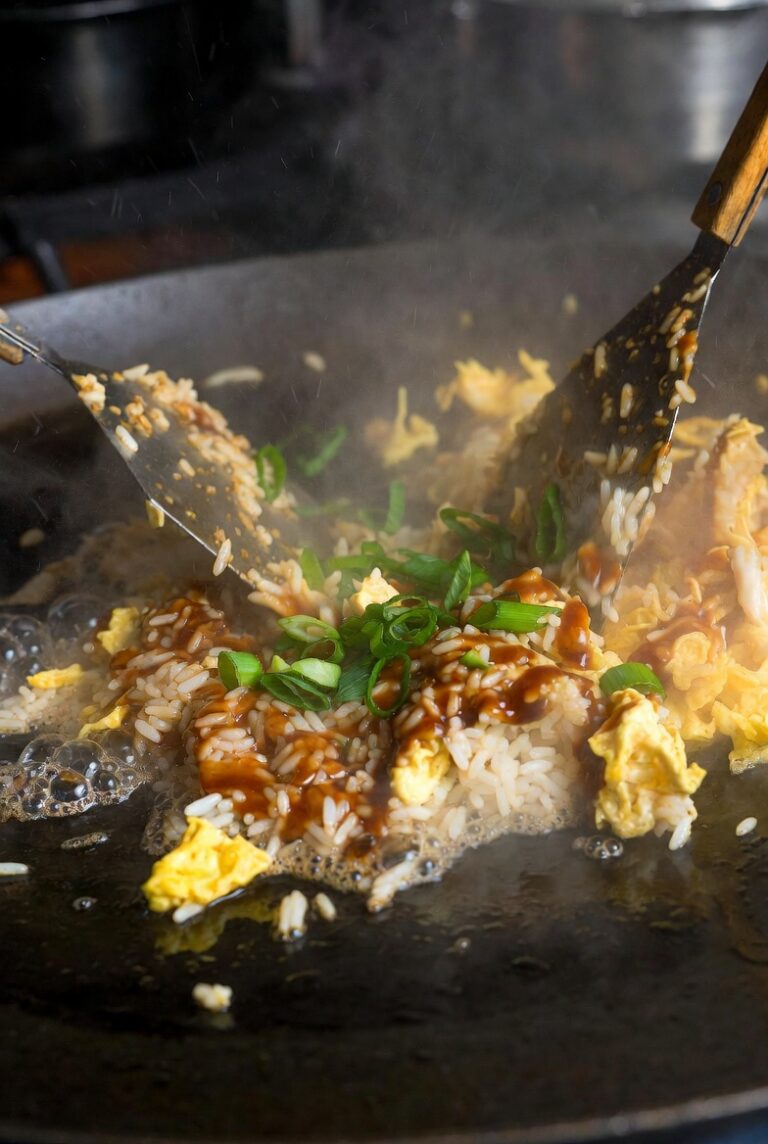
Add the 3 tablespoons of butter to a large section of the griddle. Once it melts, crack your eggs right onto the griddle and scramble them quickly with your spatula. Break them up into small pieces as they cook. This takes maybe 60 seconds.
Before the eggs are completely done, add your cold rice right on top of them. Use your spatulas to chop and mix everything together. This is where you can pretend you’re a hibachi chef and do that rhythmic chopping thing. Nobody’s watching except the dogs, so go for it.
Spread the rice out across the griddle so it makes contact with the hot surface. Let it sit for about 2 minutes without messing with it. You want some of it to get crispy and a little brown on the bottom.
Add your peas and carrots, soy sauce, and sesame oil. Chop and mix everything together for another 2-3 minutes. The rice should be heated through with some crispy bits throughout. Add the chopped green onions in the last 30 seconds. Season with salt and pepper.
Pro Tips I’ve Figured Out
Get two good spatulas. The wide ones made for griddles. Trying to do this with one spatula or with regular kitchen spatulas is frustrating. I use two and sometimes wish I had three hands.
The squeeze bottles for oil and sauces make everything easier. I bought a set of three after my first cook and wondered why they didn’t come with the griddle.
Don’t crowd the griddle. Even with 36 inches of space, you need room to move things around. If you’re cooking for more than 6 people, do it in batches.
The butter measurements are minimums. Hibachi chefs use an obscene amount of butter. I’ve started adding more than the recipe calls for because that’s part of what makes it taste like restaurant hibachi. Your cardiologist might disagree, but your taste buds won’t.
Keep a spray bottle of water nearby. Not for the griddle – for entertainment. You can spray a little water onto the hot griddle surface and make it sizzle and steam like they do at the restaurants. This serves no cooking purpose but it’s fun and makes you feel professional.
Season the vegetables and rice as you go. Taste things. My first attempt was too bland because I was scared of over-seasoning. Hibachi is actually pretty well-seasoned.
Common Mistakes to Avoid
Using fresh hot rice is mistake number one. I did this the very first time because I didn’t read ahead. The rice turned into a sticky clump that was more like congee than fried rice. Cold day-old rice separates into individual grains and gets the right texture.
Not preheating long enough. I was impatient the first few times I used my Blackstone. Ten minutes feels like forever when you’re standing there watching it. But that full preheat makes a massive difference in how the food cooks.
Moving the food around too much. I’m guilty of this with basically everything I cook. Let things sit and develop that char. You’re not making scrambled eggs, you’re making hibachi.
Forgetting to oil the griddle before you start cooking. Seems obvious but I’ve done it. Food sticks, you panic, everything gets messy. Put down that thin layer of oil first.
Trying to cook frozen vegetables from frozen. They release too much water and steam instead of searing. Thaw them first, or better yet, use fresh vegetables.
Not having your serving dishes ready. This food is best hot off the griddle. If you finish cooking and then have to go inside to find plates and serving bowls, everything cools down while you’re scrambling around your kitchen.
Frequently Asked Questions
Can I use brown rice instead of white rice?
You can, but it’s not going to taste like restaurant hibachi. Brown rice has a different texture and doesn’t crisp up the same way. I made it with brown rice once when that’s all we had and it was fine, just different. If you’re going for authentic hibachi taste, stick with white rice.
What temperature should the griddle be?
For most of the cooking, you want 400-425°F. Bump it up to 425-450°F for the fried rice. If things are cooking too fast or burning, back it down. If nothing’s sizzling and getting color, turn it up. This is one of those things you get a feel for pretty quickly.
Do I need to season my Blackstone first?
If you’ve got a new griddle, yes, season it before you cook on it. There are about a thousand videos on how to do this. It’s basically coating it with oil and heating it until it polymerizes. I did this when I first got mine in April and haven’t had to do a full re-season yet, just maintenance seasoning after each cook.
Can I make this for just two people?
Absolutely. Cut all the ingredients in half. The cooking process stays the same, it just goes faster because you have less food. Honestly though, the leftovers are great, so I usually make the full recipe even when it’s just Sierra and me.
What if I don’t have sesame oil?
The sesame oil adds that authentic flavor, so I’d recommend grabbing some if you’re going to make this more than once. But in a pinch, just use a little extra soy sauce and maybe a tiny bit of regular oil. It won’t be quite the same but it’ll still be good.
Can I prep any of this ahead of time?
The yum yum sauce gets better if you make it the day before. You can cut all your vegetables and protein in the morning and keep them in the fridge. The rice obviously needs to be made ahead and cooled. But the actual griddle cooking needs to happen all at once. That’s kind of the whole point of hibachi – it’s fast and hot and fresh.
How do I clean the griddle after all this?
Let it cool down for about 10 minutes but clean it while it’s still warm. Scrape off any stuck bits with your spatulas or a griddle scraper, pour some water on there to steam clean it, scrape again, wipe it down with paper towels, then do a light coat of oil. Takes maybe 5 minutes. Don’t let it sit overnight with all that soy sauce and food residue or you’ll hate yourself in the morning.
Final Thoughts
This hibachi recipe has become a regular thing at our house. It’s one of those meals that feels special enough for a weekend dinner but comes together fast enough that I’ve made it on weeknights too. The total active cooking time once the griddle is hot is maybe 20 minutes, which is less time than it takes to drive to a hibachi restaurant, wait for a table, and sit through the cooking show.
The best part is you can customize everything. Sierra likes extra vegetables and light on the butter. I like extra butter and crispy rice. The dogs like any scraps of chicken that happen to fall on the ground, which definitely doesn’t happen on purpose. Everyone’s happy.
If you’ve got a Blackstone and haven’t tried making hibachi on it yet, this is your sign to do it. Get your ingredients together, fire up that griddle, and prepare for your family to ask when you’re making it again. Fair warning though – once you realize how easy this is and how much money you save compared to going out, you might never want to pay restaurant prices for hibachi again.
The yum yum sauce alone is worth making this recipe. I’ve started putting it on everything. Fries, regular grilled chicken, vegetables, sandwiches. Sierra caught me eating it with a spoon directly from the container the other day. Not my proudest moment, but I stand by my choices.
Now if you’ll excuse me, I need to go make more rice for tomorrow night’s dinner. Once you get the hang of this, the hardest part is remembering to prep that rice the day before. Everything else is just hot griddle and butter.