Are Blackstone Griddles Worth It? Honest Review & Guide
I’ll be straight with you — I spent weeks debating whether to drop the cash on a Blackstone griddle. Saw them everywhere, heard people raving about them, but couldn’t shake the question: are Blackstone griddles worth it, or is this just another kitchen gadget that’ll end up collecting dust? I finally pulled the trigger back in April, and here’s what I’ve learned from actually using one. No fluff, just the real deal on whether this thing lives up to the hype.
What Makes a Blackstone Different From Your Regular Grill
First thing you need to understand is that a Blackstone isn’t trying to be your grill. It’s a flat-top griddle — basically a restaurant-style cooking surface for your backyard. Instead of grates and flames licking your food, you’ve got a massive flat steel cooking surface heated by burners underneath.
The cooking surface is the whole point. My 36-inch model gives me 768 square inches of space. That’s enough to cook breakfast for a small army or crank out 28 burgers at once. Not that I’ve had 28 people over, but knowing I could is weirdly satisfying.
The heat comes from multiple independent burners — mine has four — so you can run different temperature zones at the same time. Pancakes on one side at medium heat, bacon cranking at high heat on the other. It’s the kind of flexibility that changes how you think about outdoor cooking.
The Honest Cost Breakdown
Let’s talk money because that’s probably why you’re here. A 36-inch Blackstone runs around $300-400 depending on the model and where you catch it on sale. The smaller 28-inch models go for $200-300, and the portable 22-inch tabletop versions are usually $150-250. Prices vary by retailer and season, so check the current price before you buy.
That’s not pocket change. But here’s the comparison that helped me justify it: a decent gas grill costs about the same, sometimes more. And the Blackstone does things a grill simply can’t do.
Beyond the initial purchase, you need to factor in:
- Propane tanks (same as any gas grill)
- Cooking oil for seasoning and cooking
- A cover to protect it (around $50-70)
- Basic tools like spatulas and a scraper (maybe $30-40 if you don’t have them)
The ongoing costs are minimal. I go through maybe a bottle of oil every few weeks, and propane lasts surprisingly long since the griddle heats up fast and cooks efficiently.
What You Can Actually Cook On It
This is where the Blackstone either becomes worth it or doesn’t, depending on what you like to cook. Here’s what I’ve discovered works incredibly well:
Breakfast Foods
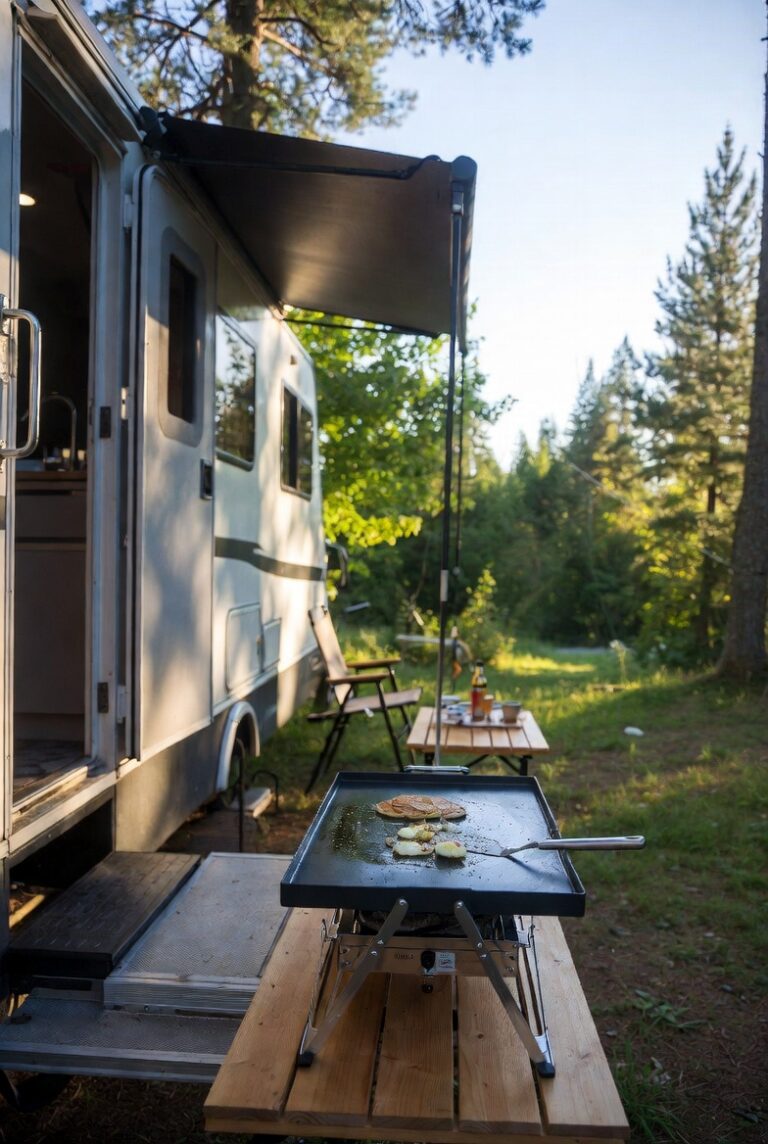
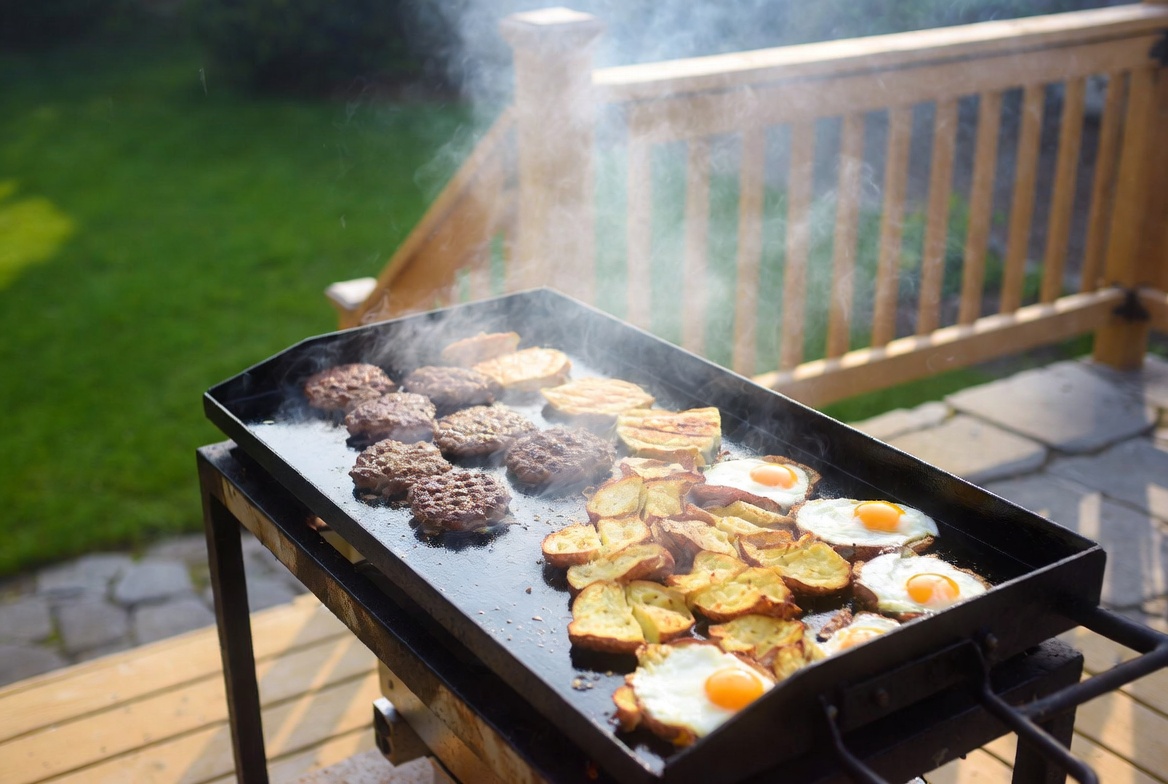
Pancakes, eggs, bacon, hash browns, French toast — breakfast on the Blackstone is legitimately better than cooking inside. Everything gets that diner-quality sear, you can cook for a crowd without doing it in batches, and cleanup is weirdly easier than cleaning a kitchen stovetop.
The flat surface means your pancakes come out evenly cooked, your eggs don’t slide around, and you can toast bread right next to everything else.
Smash Burgers
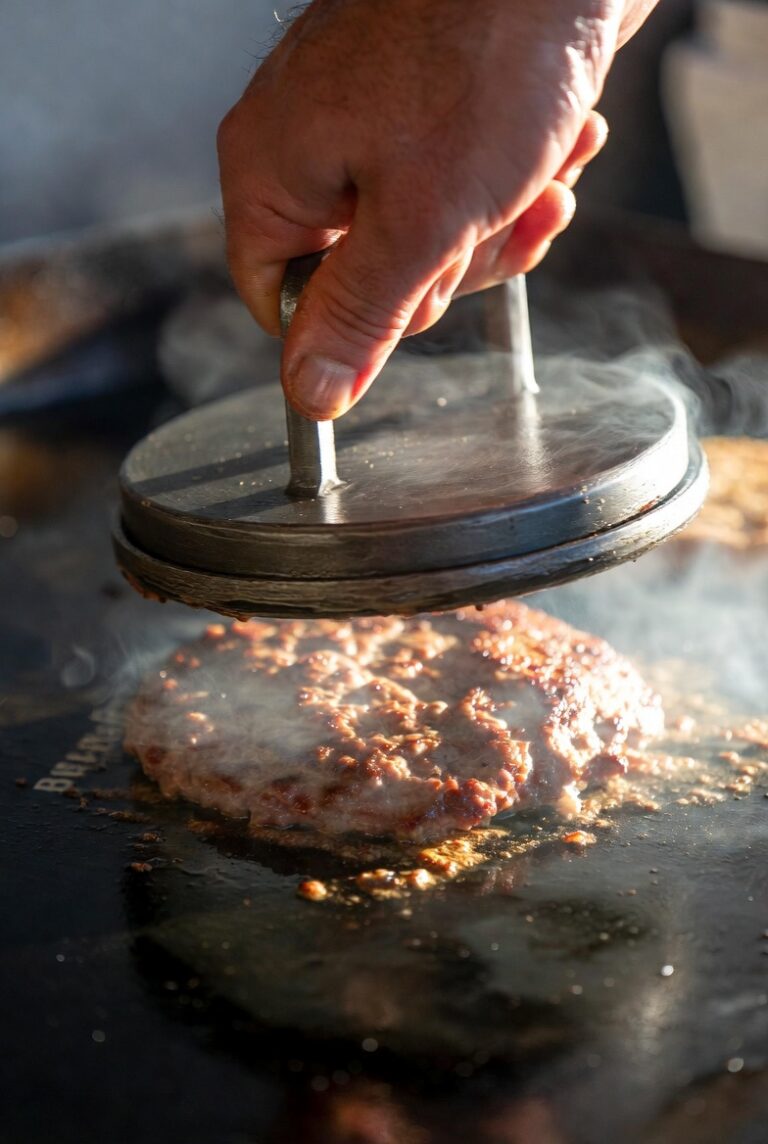
If you’ve never had a proper smash burger, this alone might justify the purchase. You take a ball of ground beef, smash it flat against the screaming-hot griddle, and get this incredible crispy crust while keeping the inside juicy. You literally cannot do this on a regular grill.
Asian-Style Stir Fry and Fried Rice
The high heat and flat surface basically turn your backyard into a hibachi restaurant. Fried rice gets that authentic wok flavor, vegetables stay crisp, and you can push things to cooler zones as they finish.
Vegetables
On a regular grill, small vegetables fall through the grates or you’re messing with a grill basket. On the Blackstone, you just toss them on. Asparagus, peppers, onions, mushrooms, zucchini — they all get a great char without the hassle.
What Doesn’t Work As Well
I’m not going to pretend the Blackstone does everything perfectly. You’re not getting smoke flavor. If you want that charcoal-grilled taste on a steak, a traditional grill wins. The Blackstone will cook a great steak with an excellent crust, but it tastes different.
You also can’t really do anything that needs to hang or rotate, like a whole chicken on a rotisserie. And if you’re big into smoking meats low and slow, that’s a different tool entirely.
The Learning Curve Reality
I’m not going to lie and say I figured everything out immediately. The first time you fire it up, there’s definitely a “what have I done” moment when you’re staring at this giant piece of steel.
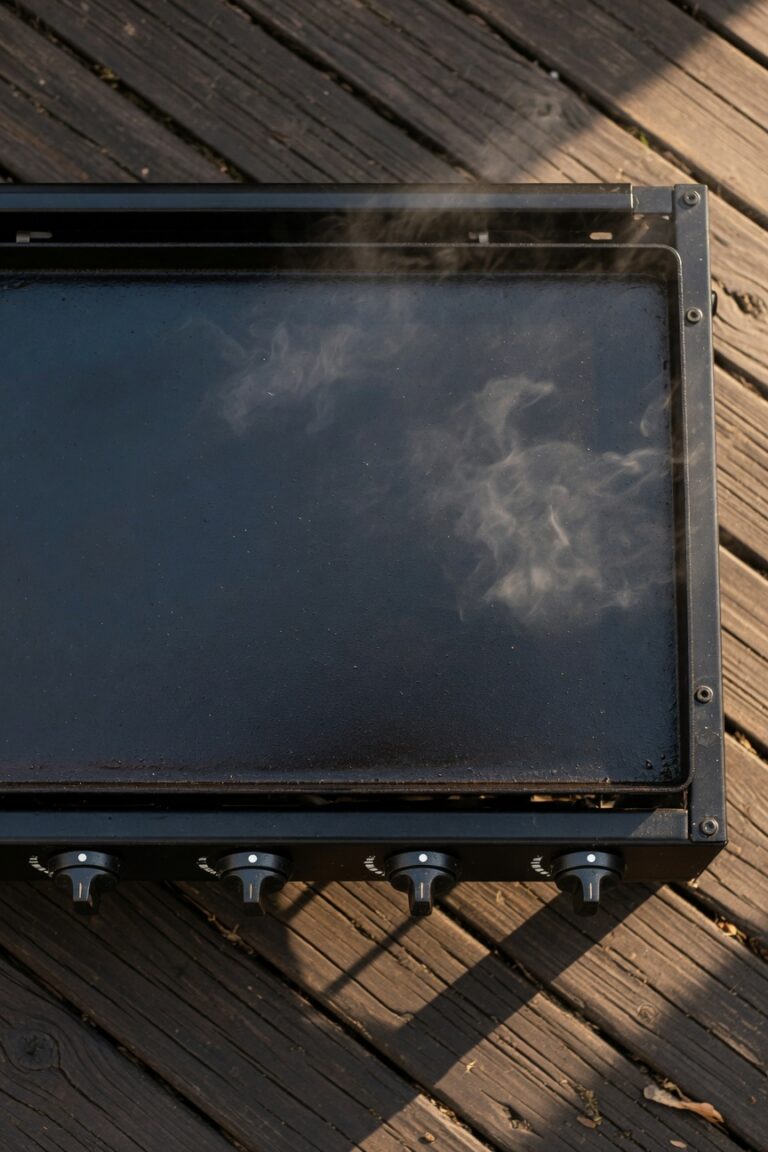
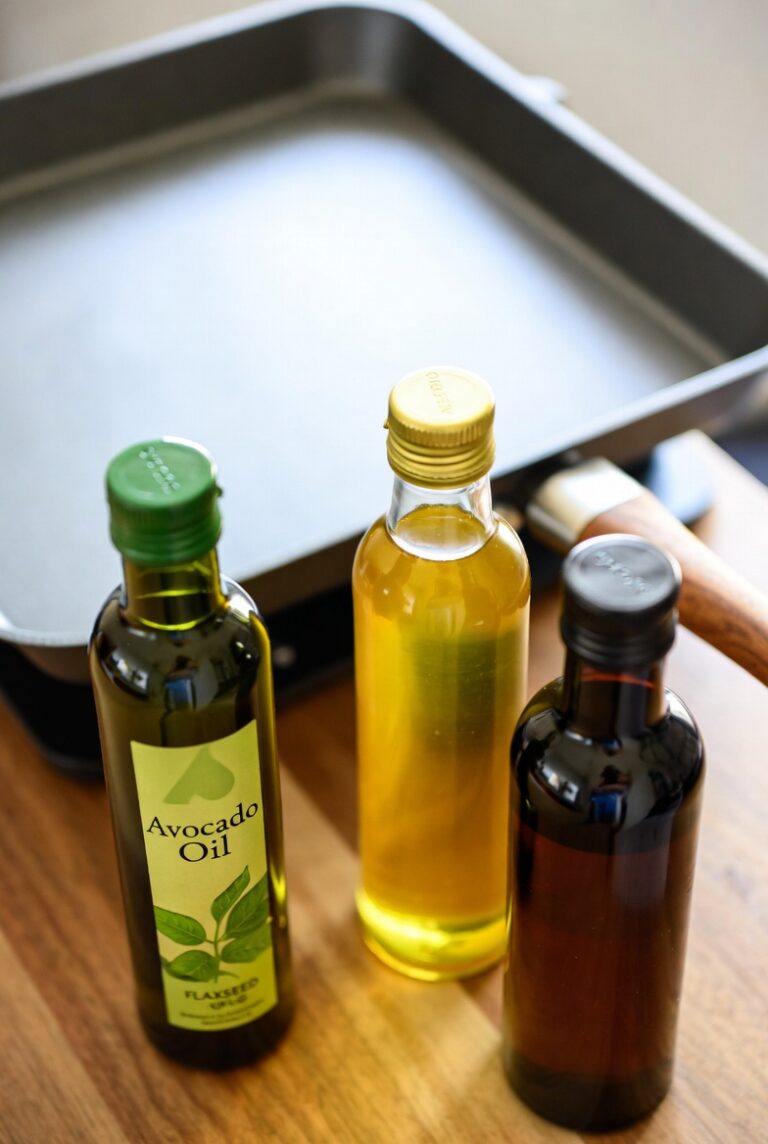
The seasoning process is real. Before you can cook anything, you need to season the griddle — basically coating it with oil and heating it until it forms a protective layer. It takes maybe 30-45 minutes of applying thin oil layers and letting them burn off. Some people find this annoying. I found it oddly satisfying, but I’m also the kind of person who enjoys tasks with clear steps.
Temperature control takes a bit of practice. There’s no built-in thermometer telling you the surface temp. You learn by feel, by how water dances on the surface, by how fast butter melts. After a few cooking sessions, it becomes second nature.
The other thing nobody tells you: you’ll use more oil than you expect. Not a crazy amount, but the griddle works best with a thin layer of oil on the surface. It’s part of the cooking method and part of maintaining the seasoning.
Maintenance: The Make or Break Factor
Here’s where a lot of people bail on griddles, so I’m going to be completely honest about what’s involved.
After Every Cook
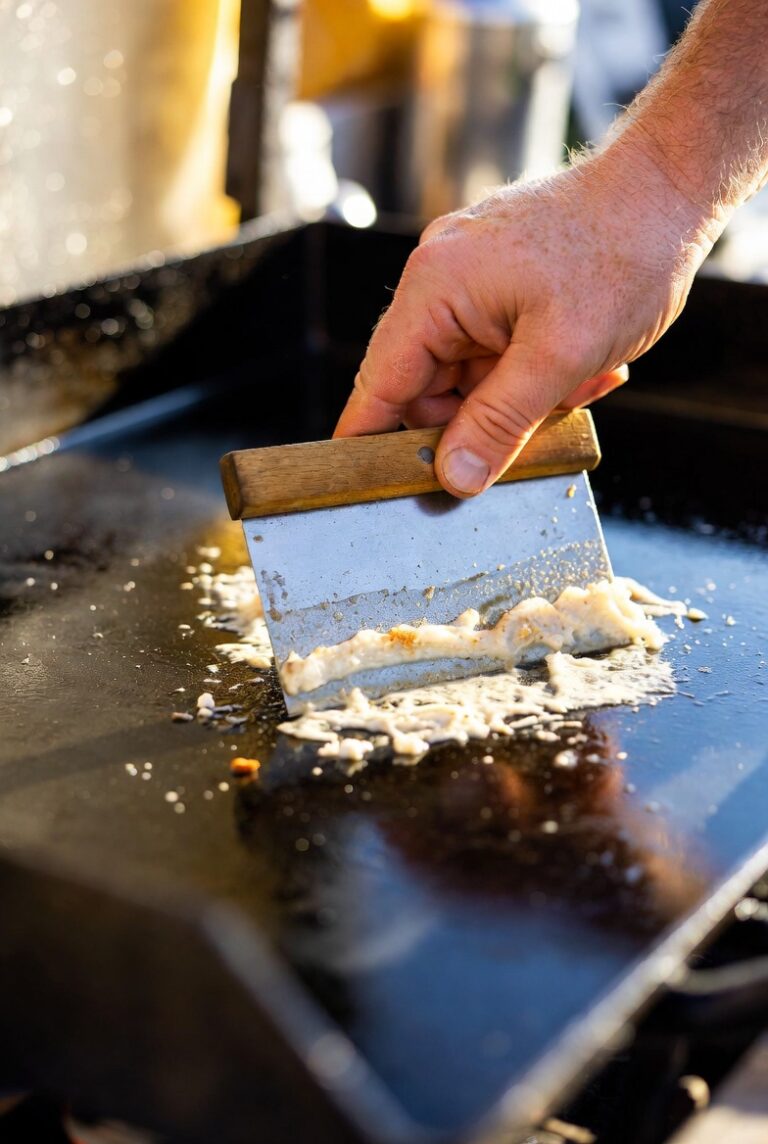
While the griddle is still warm, you scrape off any stuck-on food bits. Then you wipe it down and apply a thin layer of oil. The whole process takes maybe five minutes. It’s actually easier than scrubbing grill grates, in my opinion.
Deep Cleaning
Every few cooks, you might want to do a more thorough cleaning with water and a Blackstone scraper or griddle stone to get any built-up residue. Still pretty straightforward.
Long-Term Care
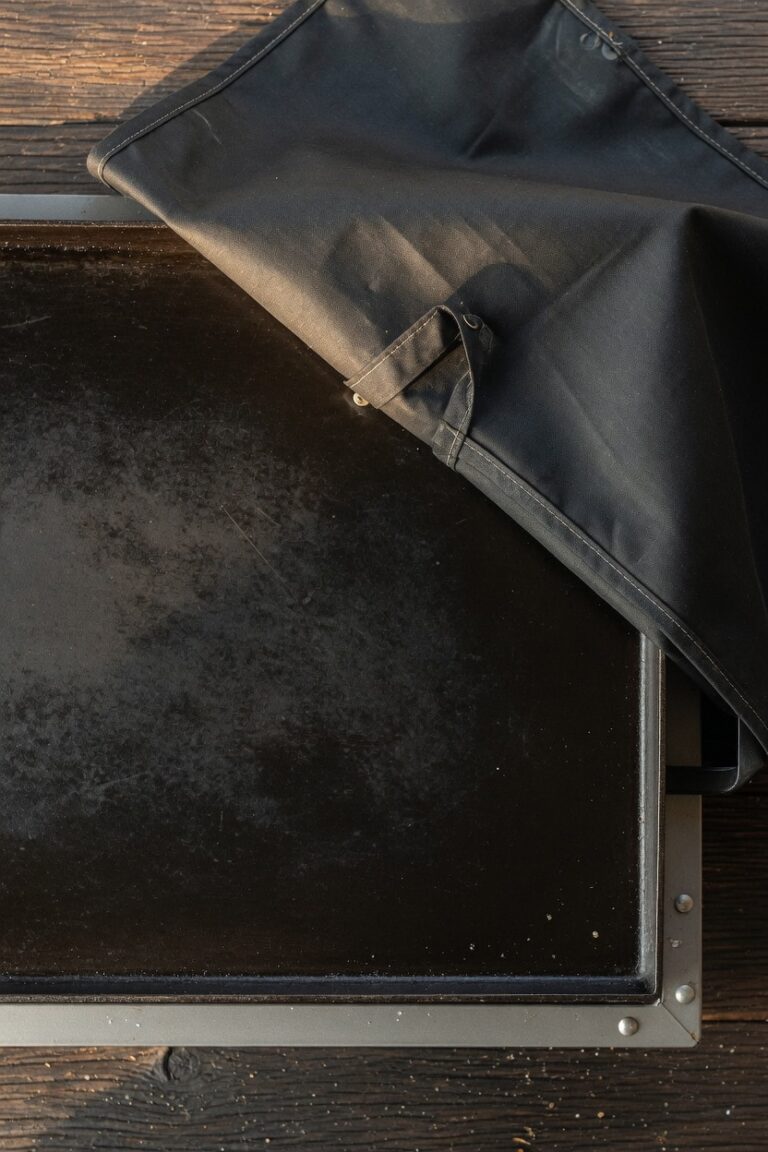
If you keep your griddle outside, you need a good cover. The steel will rust if exposed to the elements. This isn’t a design flaw — it’s just how steel works. A weather resistant cover solves it completely.
The maintenance is real but it’s not difficult. It’s just different from a grill where you might brush the grates and call it done. Whether this is “worth it” depends on your tolerance for a post-cooking routine. For me, it’s become automatic and doesn’t feel like a burden.
Common Mistakes People Make
From what I’ve learned so far and from watching others talk about their experiences, here are the pitfalls to avoid:
Not Seasoning Properly
The first time most people use a Blackstone, they either skip seasoning entirely or do one thin coat and call it good. You need multiple layers to build up that non-stick surface. Take the time to do it right from the start.
Cooking Too Cold
People get nervous about high heat and end up cooking at medium when they should be at medium-high or high. The griddle needs heat to do its thing. Food steams instead of sears, and everything turns out mediocre.
Using Too Much or Too Little Oil
There’s a sweet spot. Too much oil and everything’s greasy and pooling. Too little and food sticks and your seasoning suffers. You want a thin, even layer that shimmers.
Walking Away
The large cooking surface is amazing, but it also means things can go from perfect to overdone in different zones if you’re not paying attention. This isn’t slow cooking — you need to stay engaged.
Panicking About Appearance
Your griddle top won’t stay shiny and new-looking. It develops a dark patina. That’s normal and actually good — it means your seasoning is building up. People see this and think they’ve ruined something when really it’s working exactly as intended.
Is the Size Worth It?
The 36-inch model I have is legitimately large. It takes up space. Before you buy, actually measure your deck or patio and visualize where this thing will live.
That said, the size is one of the best features. Even if you’re not cooking for a crowd, having zones at different temperatures gives you flexibility. You can keep finished food warm on one side while cooking fresh items on the other.
If space is tight, the 28-inch models are more manageable and still give you plenty of room. The 22-inch tabletop versions are genuinely portable and great for tailgating or camping, though obviously you’re sacrificing capacity.
The Weather Factor
One thing I didn’t fully appreciate until I had it: the Blackstone works in basically any weather. Light rain, wind, cold — doesn’t matter. The lid helps protect from wind and the burners pump out enough heat that outside temperature isn’t really a factor.
In Connecticut, our spring weather can be all over the place, and the griddle has performed consistently regardless. I can’t speak to winter use yet since I just got this in April, but everything I’ve read suggests it works fine as long as you account for a longer preheat time in freezing temps.
What Nobody Tells You: The Social Aspect
This sounds dumb, but cooking on the Blackstone naturally turns into a social thing. The cooking surface is visible, people can see what’s happening, and there’s something about the flat-top setup that makes people want to hang around and watch.
It’s also genuinely easier to cook for groups. I can throw on a bunch of different items at once and actually have everything ready at the same time instead of managing grill real estate and trying to time things perfectly.
Frequently Asked Questions
How long does a Blackstone last?
The griddles are built pretty solid — heavy steel construction, decent burners. With proper maintenance and a cover, people report getting many years out of them. The cooking surface itself can last indefinitely if you take care of the seasoning and prevent rust.
Can you use a Blackstone in the garage?
No. It’s a propane burner and produces carbon monoxide. Outdoor use only, with proper ventilation. This isn’t negotiable for safety reasons.
Does it replace a regular grill?
Depends on what you cook. For me, it’s replaced the grill for about 80% of what I make. But if you love charcoal-grilled steaks or smoking ribs, you’ll still want a traditional grill or smoker for those specific things.
What about natural gas vs propane?
Blackstone makes models for both. Propane gives you flexibility to move it around. Natural gas means never worrying about running out mid-cook. Pick based on your setup and preferences.
Is the Blackstone brand worth it over cheaper flat-top griddles?
I can only speak to the Blackstone, but from what I’ve researched, they’re the market leader for a reason. The build quality is solid, replacement parts are available, and there’s a huge community of users sharing tips. Cheaper alternatives might work fine, but you’re taking more of a gamble.
How much propane does it use?
Way less than you’d think. A standard 20-pound propane tank lasts me through many cooking sessions. The griddle heats up fast and the burners are efficient.
Can you cook with the lid down?
The Blackstone has a lid but it’s more of a cover than a cooking dome. It helps with melting cheese or keeping things warm, but you’re not closing it and walking away like with a grill. Most cooking happens lid up.
So Are Blackstone Griddles Actually Worth It?
After using mine for the past few months, here’s my honest take: if you regularly cook outdoors and you’re open to a different style of cooking, absolutely yes. The Blackstone is worth it.
It’s worth it if you cook breakfast for your family on weekends. It’s worth it if you like hosting and feeding groups. It’s worth it if you want restaurant-quality smash burgers and stir-fry at home. It’s worth it if you’re tired of dealing with grill grates and flare-ups.
It’s probably not worth it if you exclusively want that smoky grilled flavor, if you never cook outdoors, if you don’t have space for it, or if the maintenance routine sounds like a dealbreaker.
The price point is fair for what you get. It’s not an impulse purchase, but it’s in line with other quality outdoor cooking equipment. The key is being realistic about whether you’ll actually use it.
For me, the Blackstone has completely changed how I think about outdoor cooking. I use it multiple times a week, I genuinely enjoy cooking on it, and I haven’t regretted the purchase for a second. Bronco and Gunner go absolutely insane every time I fire it up, which is either a point in favor of the griddle or proof that dogs have terrible judgment — probably both.
If you’re on the fence, my advice is to think about what you actually cook. If half the meals you’re imagining sound better on a flat-top than a grill, that’s your answer. The Blackstone does specific things extremely well. If those things align with how you like to cook, you’ll wonder why you waited so long. Just make sure you grab some quality spatulas to go with it — the right tools make the whole experience that much better.