Common Blackstone Griddle Mistakes and How to Avoid Them
Look, I’m going to save you from doing what everyone does when they first get a Blackstone griddle—basically everything wrong. I picked up my 36-inch griddle in April, and after watching about six hours of YouTube videos and reading every forum post I could find, I thought I had it all figured out. Turns out, there’s a massive gap between knowing what you’re supposed to do and actually doing it right when you’ve got a giant slab of steel heating up in your backyard and your stomach’s growling.
The thing about Blackstone mistakes is that most of them aren’t obvious until you’re standing there with a scraper in one hand and a bottle of water in the other, wondering why your eggs look like a science experiment. So let me walk you through the biggest screw-ups people make—including the ones I’ve caught myself doing—so you can actually enjoy this thing instead of fighting with it.
The Biggest Blackstone Griddle Mistakes People Make
1. Not Seasoning the Griddle Properly (Or At All)
This is the big one. Your Blackstone comes with a protective coating that is absolutely not the same thing as seasoning. If you try to cook on it right out of the box, you’re going to have a bad time. The first thing most people do wrong is either skip the initial seasoning completely or do one wimpy layer and call it good.
Proper seasoning means cleaning off that factory coating with hot soapy water, drying it completely, then doing at least 3-4 thin layers of oil, each one heated until it smokes and turns dark. And I mean thin—like you’re barely touching the surface with an oiled paper towel. People glob on oil thinking more is better, but that just creates a sticky, uneven surface that’ll peel off in chunks.
The other mistake? Using the wrong oil. You want something with a high smoke point—avocado oil, flaxseed oil, or even Blackstone’s own seasoning oil. Don’t use butter or olive oil for seasoning. Save those for cooking.
2. Cranking the Heat to Maximum on Everything
I get it. You’ve got burners that can turn this thing into a jet engine, and it’s tempting to just blast everything on high. But that’s how you end up with food that’s charred on the outside and raw in the middle.
Different foods need different heat zones. Pancakes and eggs? Low to medium heat, maybe 300-350°F. Smash burgers? Crank one zone to 450-500°F for that crispy crust, but keep another zone at medium for finishing. Vegetables? Medium heat around 375-400°F works great.
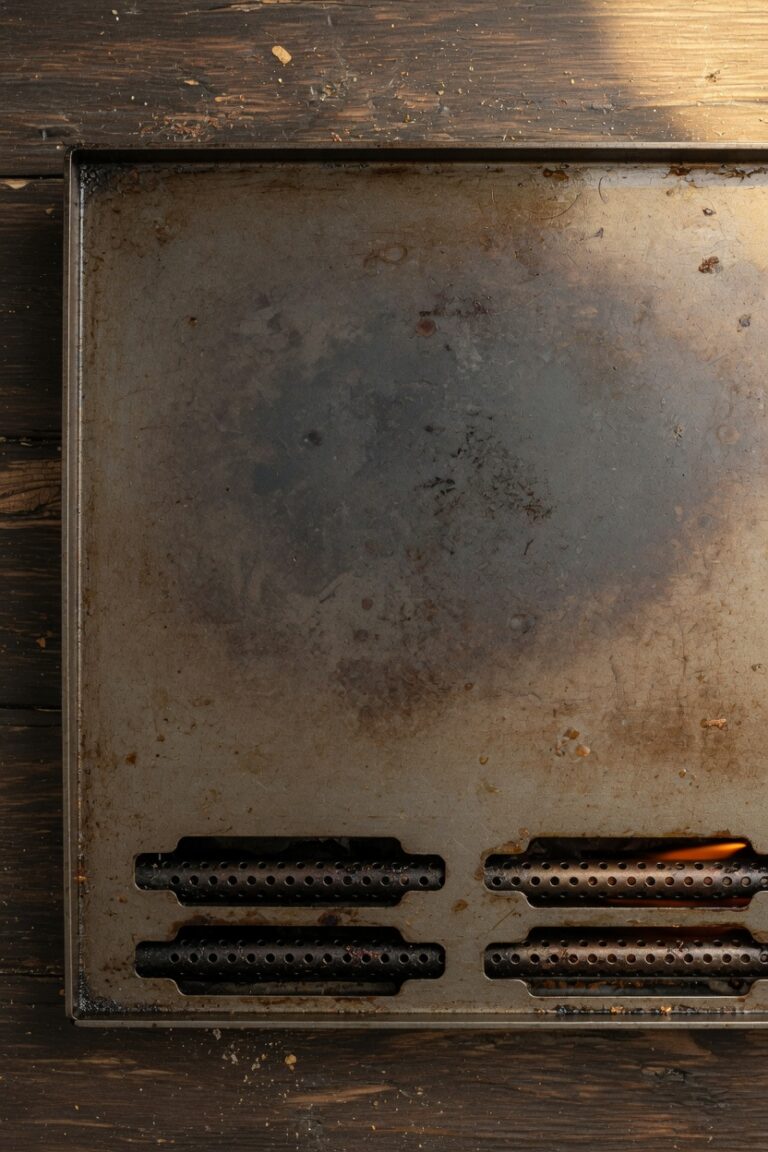
The flat top gives you the advantage of creating different temperature zones across the surface. Use them. I usually run my griddle with one burner on high, one on medium, and one on low. That way I can sear something fast, then slide it over to a cooler zone to finish cooking without burning.
3. Walking Away During Preheat
This seems harmless, but it’s how griddles get warped or how people waste a ton of propane. You turn on all the burners to high, go inside to prep something, and come back 20 minutes later to a griddle that’s been screaming hot way longer than necessary.
Preheat properly: Turn on your burners to the heat level you actually plan to cook at, wait about 10-15 minutes for the surface to come up to temperature, and check it with an infrared thermometer if you have one. Don’t just fire everything to maximum and disappear.
4. Not Using Enough Oil or Fat
Even with a well-seasoned griddle, you need to use cooking oil or fat. This isn’t a nonstick pan—it’s a seasoned steel surface. The common mistake is being too timid with the oil, especially when you’re starting out.
When I cook breakfast, I’m putting down a thin layer of oil before the eggs go on. For hash browns, I’m using enough oil that I can see it pooling slightly around the edges. For smash burgers, the beef has enough fat to mostly handle itself, but I’ll still add a little oil to the surface first.
The flip side? Don’t create a deep fryer situation. You want a thin, even layer that coats the cooking surface, not a pool of oil that’s going to smoke like crazy and drip into your grease trap.
5. Using the Wrong Tools
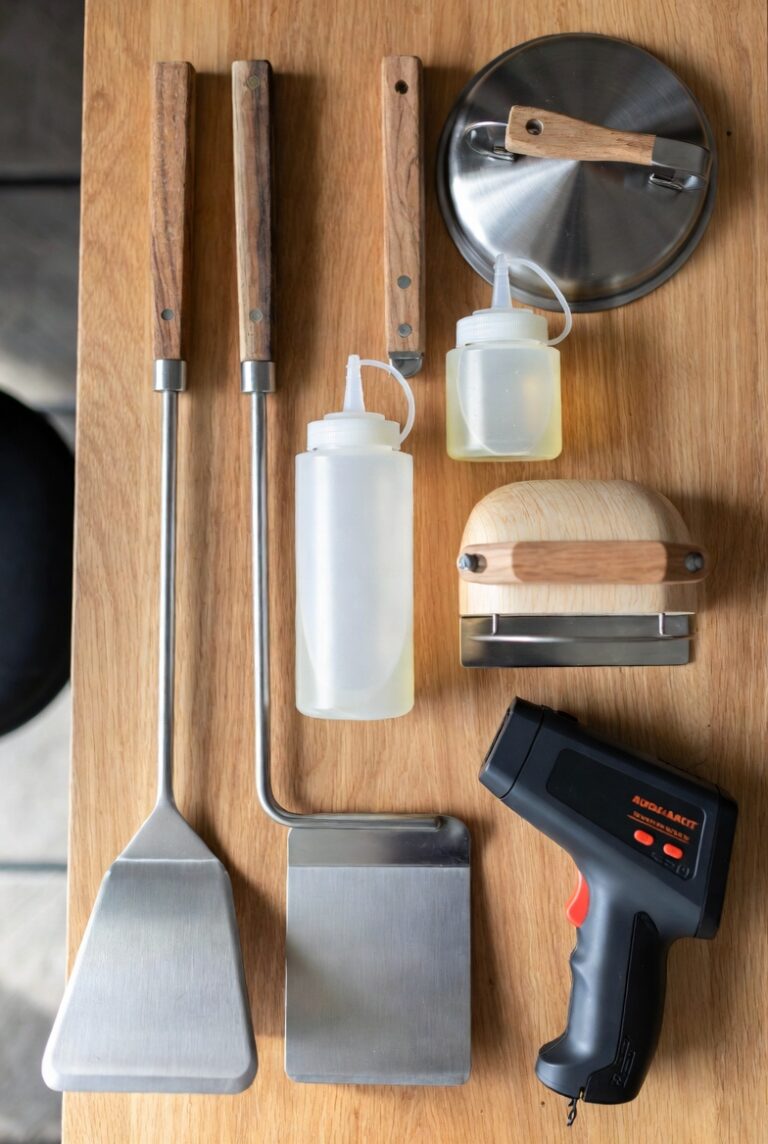
Metal spatulas are your friend here. Those flimsy plastic or silicone spatulas you use on your nonstick pans at home? Forget them. You need sturdy metal spatulas that can scrape and press—the kind with a beveled edge that can get under food and actually flip a smash burger without it falling apart.
I see people trying to use tongs for everything or bringing out their indoor cooking tools, and it just doesn’t work the same. Get yourself at least two good metal spatulas, preferably the long ones made for griddles. One isn’t enough when you’re trying to flip multiple burgers or manage a big breakfast spread.
The squirt bottle is another essential that people skip. You need water for steaming vegetables, creating moisture for melting cheese, and helping with the cleaning process. A regular plastic squirt bottle works fine—doesn’t need to be fancy.
6. Terrible Temperature Management
Here’s what happens: Someone throws chicken on the griddle at full blast because they want those grill marks and that sear. Five minutes later, the outside is black and the inside is still raw. Or they cook bacon on low heat and wonder why it takes 30 minutes and comes out weird and rubbery instead of crispy.
Each food has a sweet spot. Bacon wants medium to medium-high heat (around 375-400°F). Chicken breasts need to start at medium-high to get some color, then finish at medium or even medium-low to cook through without burning—you’re looking at starting around 400°F and dropping to 325-350°F to finish.
Smash burgers need screaming heat for 2 minutes per side—that’s 450-500°F. Pancakes need gentle, even heat around 300-325°F. If you’re cooking everything at the same temperature, you’re doing it wrong.
7. Skipping the Post-Cook Cleaning
This is probably the mistake that ruins more griddles than anything else. You finish cooking, you’re hungry, the food’s ready, and you shut off the burners and go inside to eat. The griddle sits there with grease and food residue hardening onto the surface.
Clean your griddle while it’s still hot. Right after you finish cooking, while the surface is still warm, scrape off the food debris, pour some water on there to steam clean it, scrape again, wipe it down with paper towels, and put a thin layer of oil on the surface. This takes maybe 5 minutes and will save your seasoning.
When you let everything harden and cool, you’re going to have to work ten times harder next time, potentially damaging your seasoning in the process. The dogs usually hang around during this part hoping something falls—Bronco and Gunner have figured out that griddle cleanup time sometimes means dropped bacon bits.
8. Using Too Much Water During Cooking
Water has its place on a griddle—steaming vegetables, helping cheese melt, deglazing to clean. But some people go overboard and basically turn their flat top into a steam table. Too much water drops your cooking temperature dramatically and can create a mess that splatters everywhere.
When you need to steam something, use a small squirt of water and immediately cover it with a dome or metal bowl to trap the steam. Don’t just dump water all over the griddle and hope for the best. That’s how you end up with soggy vegetables and a temperature drop that kills your sear.
9. Crowding the Griddle Surface
Yes, you have 720 square inches of cooking surface on a 36-inch griddle. That doesn’t mean you should use every single inch at once, especially when you’re still figuring things out. When you crowd the surface, food steams instead of sears, you can’t manage hot and cool zones effectively, and you definitely can’t flip or move things around.
Leave yourself working room. If you’re cooking burgers, space them out so you can get a spatula around each one. If you’re doing stir-fry, don’t pile on so many vegetables that you can’t actually toss them around. The griddle is big, but it’s not infinite.
10. Panicking About Discoloration and Patina
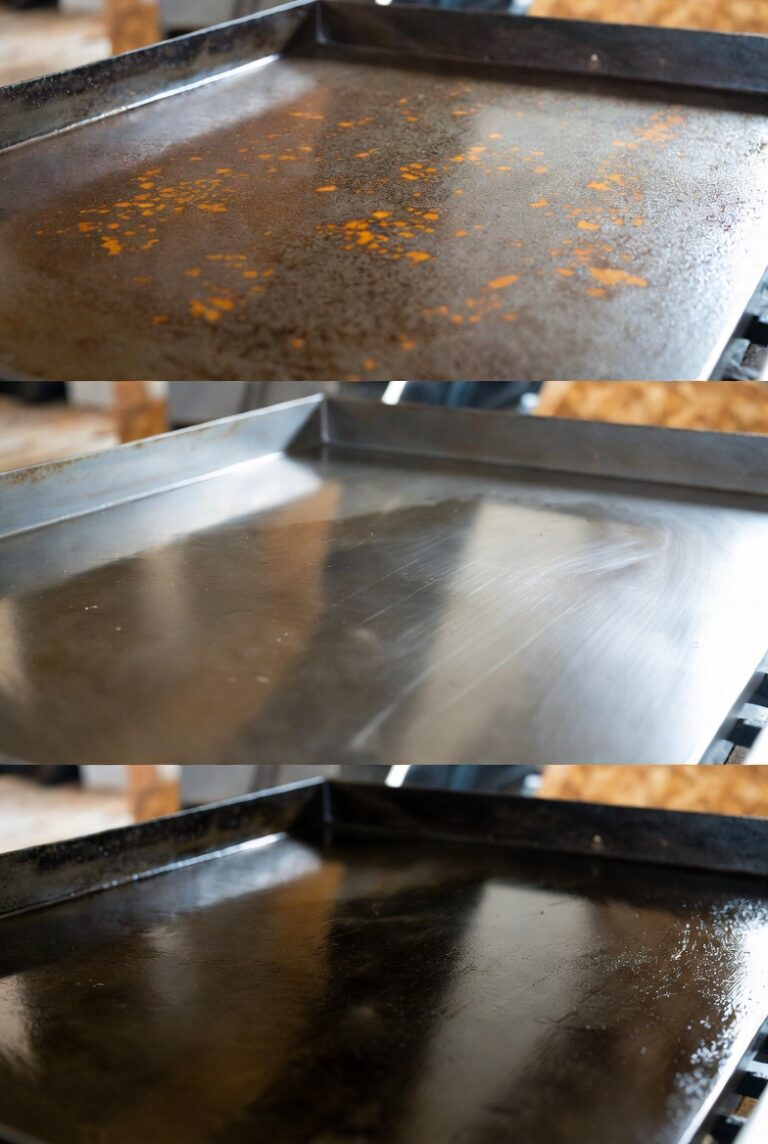
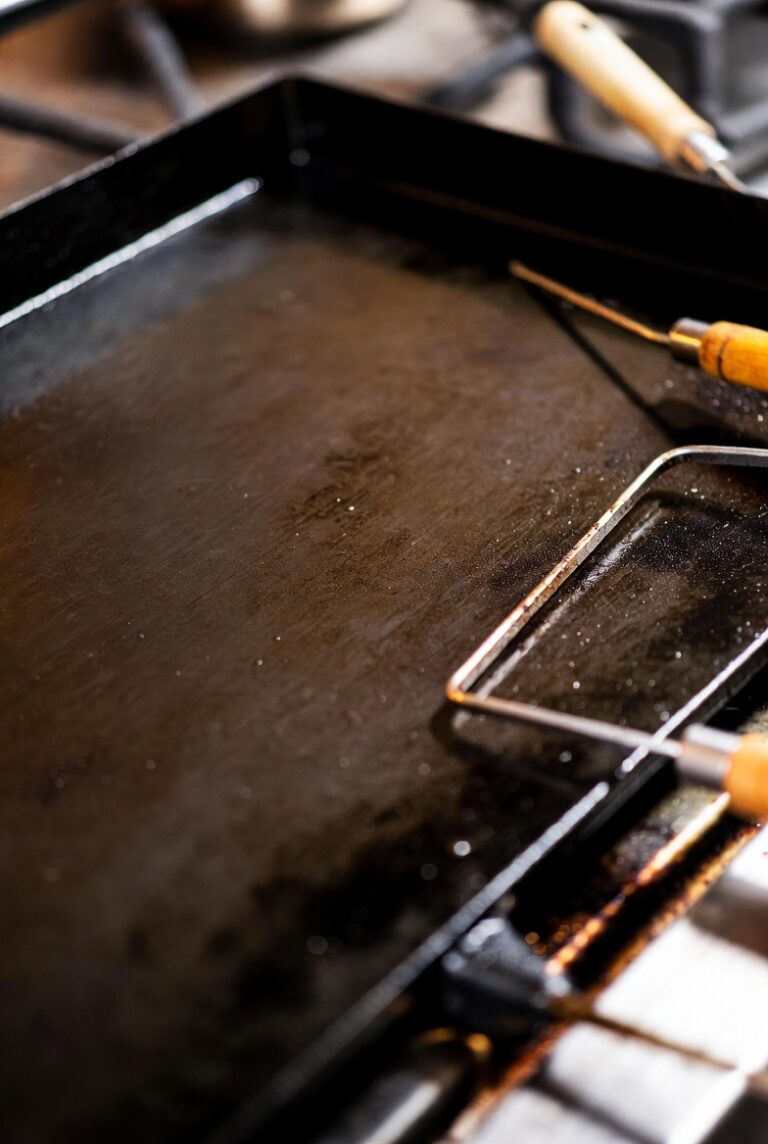
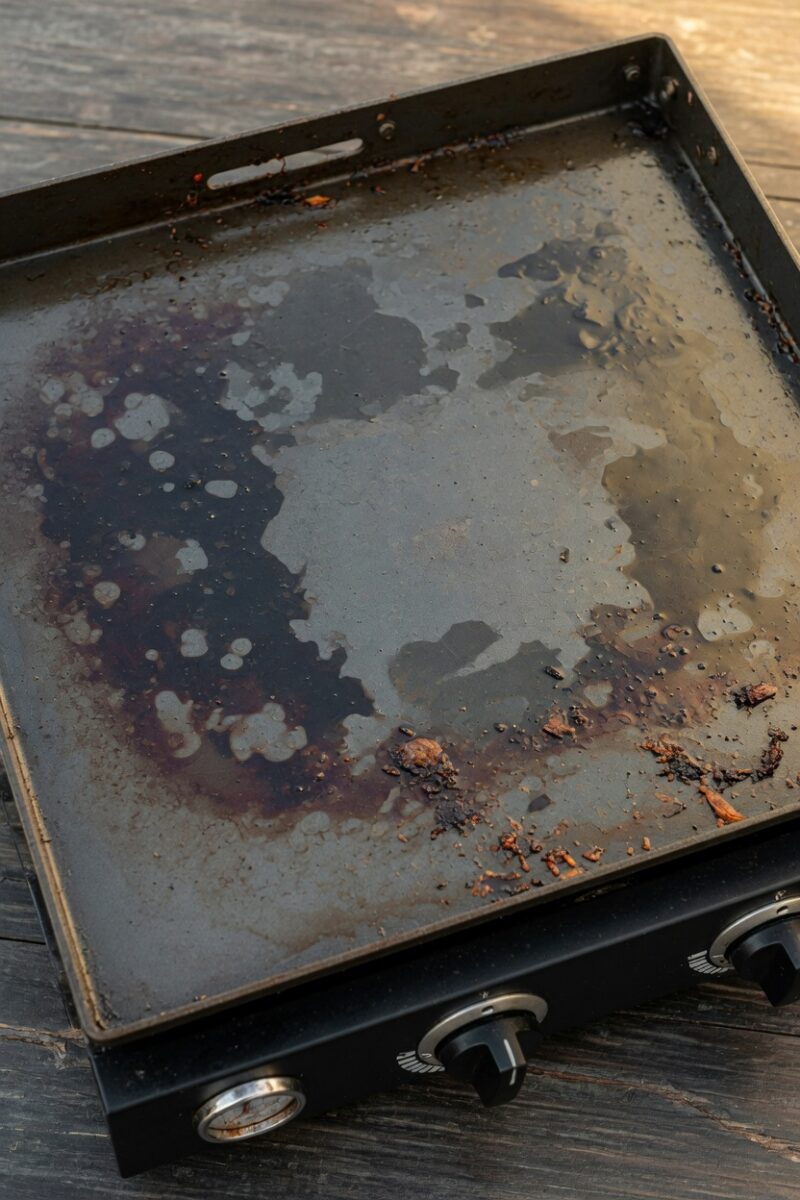
Your griddle top is not going to stay shiny and silver. It’s going to develop dark spots, rainbow patterns, and uneven coloring. This is normal. This is good. This is literally the seasoning developing.
New griddle owners see these color changes and think something’s wrong. They start scrubbing aggressively or trying to strip and re-season after every cook. Don’t. Those dark spots are polymerized oil—that’s your nonstick surface forming. The rainbow effect is heat patterns. The griddle is supposed to look used.
Now, if you have actual rust (orange-red, flaky, crusty stuff), that’s different and needs to be addressed. But patina, dark seasoning, and color variations? That’s exactly what you want.
11. Not Adjusting for Wind and Weather
Your griddle lives outside and has to deal with whatever nature throws at it. Wind is a huge factor that people don’t account for. On a windy day, your burners are going to struggle to maintain temperature because the wind is constantly pulling heat away from the cooking surface.
If it’s windy, you might need to bump up your burner settings or position the griddle to block some of that wind. Some people set up windbreaks or cook in a more sheltered part of their yard. Cold weather also means longer preheat times and potentially higher burner settings to maintain cooking temperature.
Don’t just use the same settings year-round and wonder why everything’s cooking differently. Pay attention to conditions and adjust accordingly.
12. Storing the Griddle Wrong
Even with a cover, moisture can get to your griddle top. The mistake people make is putting the cover on while the griddle’s still warm (trapping moisture) or storing it in a spot where water pools on the cover and eventually seeps through.
Let your griddle cool completely after you’ve oiled it post-cook. Make sure it has a good layer of oil on the surface for protection. Use a quality weather-resistant cover that actually fits and doesn’t collect water in weird spots. If you live somewhere humid or rainy, check under that cover occasionally to make sure moisture hasn’t gotten to the surface.
Some people also store their griddles in a way that leaves the grease trap attached and full. Empty and clean your grease trap after every cook. Don’t let old grease sit in there for days or weeks.
13. Getting Discouraged Too Early
This isn’t really a technical mistake, but it’s common enough that it’s worth mentioning. The first few cooks on a new griddle are rarely perfect. Your seasoning is still developing, you’re learning the hot spots, you’re figuring out temperature control.
Things might stick a little. The heat distribution might seem uneven. Your eggs might not slide around like you saw in those videos. That’s all normal. The griddle gets better with use. Your technique gets better with practice. Don’t judge the whole experience based on cook number two or three.
How to Avoid These Mistakes: Quick Reference
Seasoning
- Clean factory coating with soap and water first
- Apply 3-4 thin layers of high-smoke-point oil
- Heat each layer until it smokes and darkens
- Let cool between layers
- Use avocado oil, flaxseed oil, or Blackstone seasoning oil
Heat Management
- Low heat (250-300°F): pancakes, eggs, delicate fish
- Medium heat (325-375°F): bacon, sausage, vegetables, chicken
- Medium-high heat (400-450°F): most proteins, stir-fry, fajitas
- High heat (450-500°F): smash burgers, searing steaks
- Create multiple heat zones across your griddle
- Preheat for 10-15 minutes at your target cooking temperature
Tools You Actually Need
- 2-3 sturdy metal spatulas with beveled edges
- Plastic squirt bottle for water
- Metal scraper for cleaning
- Paper towels or griddle cleaning cloths
- Infrared thermometer (helpful but not required)
- Metal domes or bowls for steaming
Cleaning Process
- Scrape surface while still hot after cooking
- Add small amount of water to steam clean stuck bits
- Scrape again thoroughly
- Wipe down with paper towels until clean
- Apply thin layer of oil while surface is still warm
- Let cool completely before covering
- Empty grease trap after every cook
Common Questions About Blackstone Mistakes
How do I know if I ruined my seasoning?
If you see actual rust (orange-red flaking), or if food is sticking badly all over the surface even with oil, you might need to re-season. But discoloration, dark spots, and patina are normal and good. When in doubt, clean it well, add a layer of oil, heat it up until it smokes, and see if that helps.
Can I use soap on my Blackstone?
During the initial cleaning to remove the factory coating, yes. For regular cleaning after cooking, no—just use water, scraping, and elbow grease. Soap can strip your seasoning. If you absolutely must use soap for some stubborn mess, just plan to re-season that area afterward.
Why is everything sticking even though I seasoned it?
Usually because the griddle isn’t hot enough, you’re not using enough oil during cooking, or your seasoning is still developing. Give it a few more cooks. Make sure you’re preheating properly and using adequate cooking oil. A well-seasoned griddle with proper oil and heat shouldn’t have major sticking issues.
How often should I deep clean and re-season?
If you’re cleaning properly after each cook and maintaining your seasoning, you shouldn’t need to strip and fully re-season very often. Maybe once or twice a year if you use it regularly, or if you notice serious degradation. The post-cook clean and oil should maintain things between sessions.
What temperature should I actually cook at?
It depends entirely on what you’re cooking. Use the temperature guide above as a starting point. An infrared thermometer takes the guessing out of it—point it at your cooking surface and you know exactly what you’re working with. Every griddle has slightly different hot spots and quirks, so learn yours.
Is it normal for my griddle to smoke a lot?
During seasoning, yes—you’re literally burning oil onto the surface. During regular cooking, some smoke is normal, especially if you’re cooking fatty foods or at high heat. Excessive smoke usually means your temperature is too high for what you’re cooking or you used too much oil. Adjust your burners down a bit.
Can I cook everything at once like I see in videos?
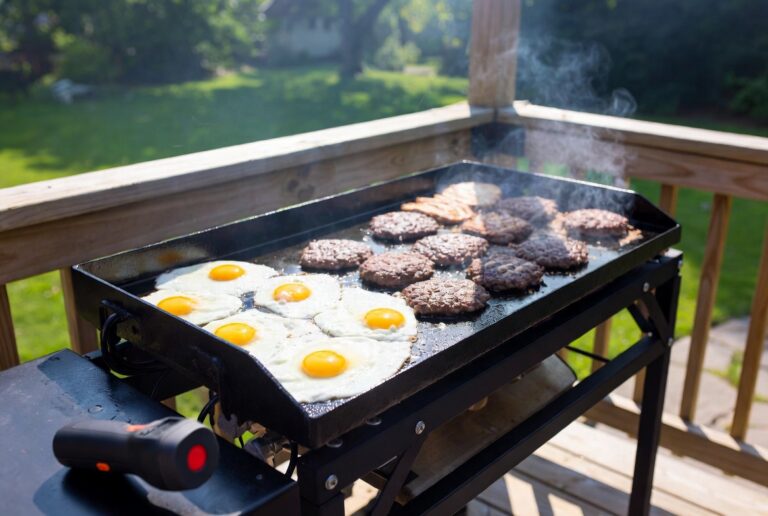
Those videos are usually made by people who’ve been doing this a while and know their griddle inside and out. When you’re starting out, focus on one or two items at a time until you get comfortable with temperature management and timing. You’ll work up to the full breakfast spreads.
What if I left my griddle uncovered and it got rained on?
Check it as soon as possible. If there’s surface rust, you’ll need to scrape it off, clean the area, and re-season those spots. If you caught it early and there’s just water but no rust, dry it completely, heat it up to evaporate any remaining moisture, and apply a protective layer of oil. Then get a cover.
Final Thoughts
The learning curve with a Blackstone isn’t steep, but it is real. Most of these mistakes come from either overthinking things or not thinking about them at all—treating the griddle like a regular grill or like an indoor stovetop when it’s really its own thing.
Give yourself a few cooking sessions to figure out how your specific griddle behaves. Pay attention to how different foods respond to different heat levels. Get into the habit of cleaning while the surface is still hot, because that really is the easiest time to do it. Use enough oil. Don’t panic about color changes.
The good news is that most Blackstone mistakes are fixable. Messed up your seasoning? You can re-season. Cooked something at the wrong temperature? You’ll know better next time. Left it dirty overnight? It’ll take more work to clean, but it’s not ruined. These griddles are pretty forgiving as long as you don’t completely neglect them.
After a few weeks of regular use, most of this becomes second nature. You’ll know where the hot spots are, how long your preheat takes, how much oil you actually need, and what that post-cook cleaning routine should look like. The early mistakes just accelerate the learning process—they’re practically required.
Now get out there and make some of these mistakes yourself so you can figure out how your griddle works. Just maybe avoid the really big ones like skipping seasoning entirely or leaving it to rust uncovered in the rain. Everything else you can work through as you go.